INS Sahyadri Departs Vladivostok After Successful Exercise; Indian and Russian Navies Conduct Coordinated Sea Operations, Helicopter Drills and Medical Evacuation Exercises
NEW DELHI, OCTOBER 23: The bilateral naval exercise INDRA 2026 between the Indian Navy and the Russian Federation Navy (RuFN) has successfully concluded, reaffirming the longstanding defence and maritime partnership between the two countries.
Indian Naval Ship (INS) Sahyadri departed Vladivostok, Russian Federation, on October 20, 2026, following the completion of the exercise, which focused on enhancing operational coordination, interoperability and professional cooperation between the two navies.
The exercise was conducted in two phases — Harbour Phase and Sea Phase — bringing together personnel from both navies for professional exchanges, coordinated maritime activities and operational drills.
The successful conclusion of INDRA 2026 highlighted the continued importance of bilateral naval engagement in strengthening mutual understanding, improving coordination at sea and contributing to maritime security.
Two-Phase Exercise Focuses on Professional Engagement and Operational Coordination
Exercise INDRA 2026 was structured to provide participating personnel with opportunities for professional interaction onshore and coordinated operations at sea.
The Harbour Phase focused on strengthening professional relationships and exchanging operational knowledge, while the Sea Phase involved practical maritime activities designed to improve communication, coordination and interoperability between participating units.
Together, the two phases provided a platform for personnel from the Indian Navy and the Russian Federation Navy to exchange experiences, familiarise themselves with operational practices and strengthen their ability to work together during coordinated naval activities.
Harbour Phase Features High-Level Interactions and Professional Exchanges
The Harbour Phase of INDRA 2026 included interactions between key leaders, cross-deck visits, Subject Matter Expert (SME) Exchanges, operational synchronisation activities, sports fixtures and cultural engagements.
The professional interactions enabled personnel from both navies to exchange views, discuss operational practices and enhance their understanding of each other’s procedures and capabilities.
Cross-deck visits provided opportunities for naval personnel to familiarise themselves with the participating navy’s platforms and working environments. Subject Matter Expert Exchanges facilitated the sharing of professional knowledge and experiences in relevant operational areas.
Operational synchronisation activities further supported discussions on coordination and the procedures required for effective cooperation during joint maritime engagements.
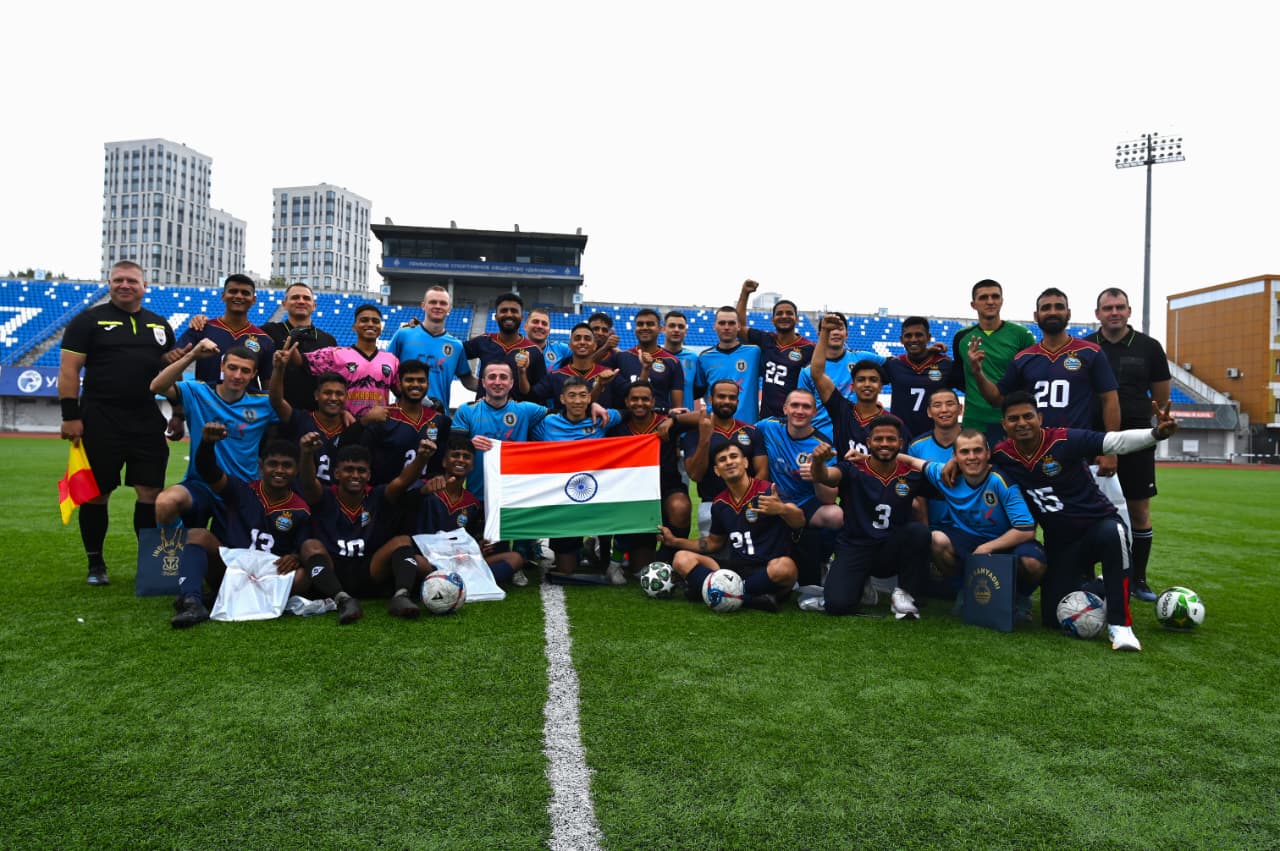
Sports and cultural programmes complemented these professional engagements, helping build camaraderie and strengthen personal connections between personnel from the two countries.
Sea Phase Includes Coordinated Manoeuvring and Helicopter Operations
The subsequent Sea Phase focused on practical naval activities aimed at strengthening operational coordination and interoperability between the Indian Navy and the Russian Federation Navy.
The participating units undertook coordinated manoeuvring, integrated communications, helicopter operations and medical evacuation drills.
These activities enabled the navies to practise coordinated procedures in a maritime environment and improve communication between participating units.
Coordinated manoeuvring provided opportunities to practise the movement of naval platforms in accordance with agreed procedures, while integrated communications activities focused on maintaining effective information exchange during operations.
Helicopter operations added an aviation component to the exercise, allowing personnel to practise relevant procedures involving naval platforms and aviation assets.
Medical evacuation drills, meanwhile, provided opportunities to practise coordination and response procedures for medical emergencies at sea.
The Sea Phase was designed to strengthen the participating units’ ability to operate in a coordinated manner and improve their familiarity with procedures required for combined maritime activities.
Interoperability Remains a Key Objective
A central objective of INDRA 2026 was to enhance interoperability between the Indian Navy and the Russian Federation Navy.
Interoperability involves the ability of different forces to coordinate their activities, communicate effectively and follow compatible operational procedures while working together.
In naval operations, effective interoperability can support coordinated manoeuvring, information exchange, aviation activities and emergency response procedures.
Through professional exchanges and practical sea exercises, INDRA 2026 provided participating personnel with opportunities to improve their understanding of each other’s operational practices.
The exercise also highlighted the importance of sustained engagement and regular interaction in building professional familiarity between the two navies.
Sports and Cultural Exchanges Strengthen Naval Ties
Beyond the operational activities, sports and cultural interactions formed an important part of the exercise.
These engagements encouraged personnel from India and Russia to interact outside formal training activities, fostering camaraderie and strengthening interpersonal relationships.
Such interactions complement professional cooperation by building mutual understanding and trust among personnel who participate in bilateral military engagements.
The combination of professional exchanges, operational drills and cultural activities reflected the broader scope of INDRA 2026, which aimed to strengthen both working relationships and longstanding naval ties.
INDRA 2026 Reaffirms India-Russia Defence and Maritime Partnership
The successful conclusion of the exercise reaffirmed the enduring defence and maritime partnership between India and Russia.
According to the Ministry of Defence, INDRA 2026 underscored the importance of sustained naval engagement, professional cooperation and interoperability in promoting mutual understanding and contributing to maritime security.
The exercise also reflected the shared commitment of the Indian Navy and the Russian Federation Navy to a secure, stable and peaceful maritime environment.
Bilateral naval exercises provide opportunities for participating forces to exchange operational knowledge, practise coordinated procedures and maintain professional engagement amid evolving maritime security requirements.
For India and Russia, INDRA remains a platform for continued interaction between their naval forces and for strengthening cooperation through structured training and operational activities.
INS Sahyadri’s Visit to Vladivostok Marks Completion of the Exercise
INS Sahyadri departed Vladivostok on October 20 after the successful completion of INDRA 2026.
The departure marked the conclusion of the Indian Navy’s participation in the exercise at the Russian port city, where the Harbour Phase engagements preceded the coordinated activities conducted at sea.
The exercise brought together professional exchanges, operational drills and cultural interactions under a common framework aimed at improving cooperation between the two navies.
Focus on Maritime Security and Longstanding Naval Cooperation
The conclusion of INDRA 2026 highlights the continued role of bilateral naval exercises in strengthening operational familiarity, communication and coordination between partner navies.
Through activities ranging from coordinated manoeuvring and helicopter operations to medical evacuation drills, the exercise provided practical opportunities for personnel to work together and exchange operational experiences.
The Harbour Phase further reinforced professional relationships through leadership interactions, expert exchanges and cultural engagements.
As maritime security continues to require coordination, preparedness and professional cooperation, INDRA 2026 reaffirmed the importance of sustained engagement between the Indian Navy and the Russian Federation Navy.
The successful completion of the exercise reflects the continuing commitment of both countries to strengthening their maritime partnership and contributing to a secure, stable and peaceful maritime environment.